



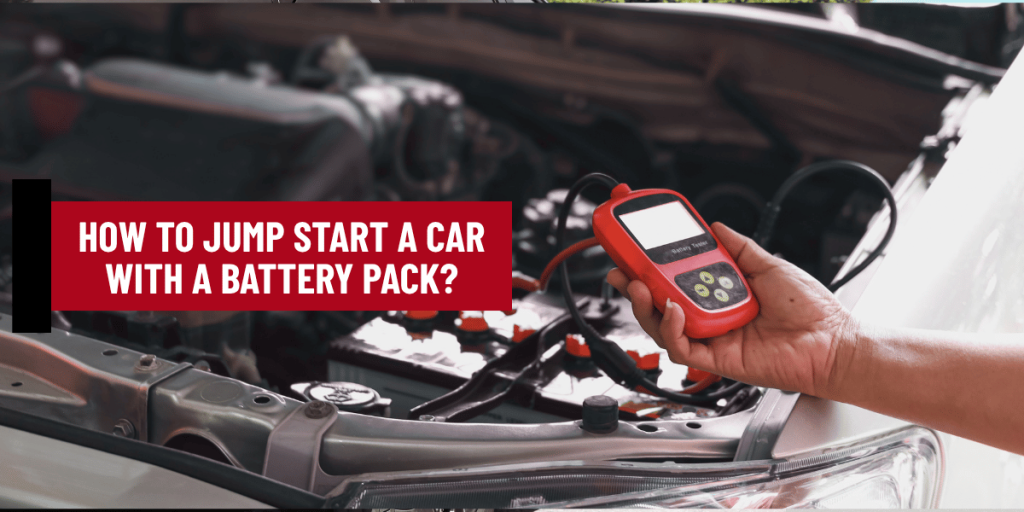
A dead battery can happen without warning. Whether you left your headlights on, your battery is old, or cold weather drained the power, knowing how to jump start a car with a battery pack can help you get back on the road quickly.
A portable jump starter is one of the safest and most convenient tools every driver should keep in their vehicle. Unlike traditional jumper cables, you do not need another vehicle to get your engine running.
If your battery still will not respond or your vehicle has another issue, NERD Towing provides fast roadside assistance to help drivers get moving safely.
Why Every Driver Should Know How to Jump Start a Car With a Battery Pack
Learning how to jump start a car with a battery pack gives you more confidence during unexpected situations. A portable jump starter is compact, easy to store, and can save valuable time when you’re stranded.
Some common reasons for a dead battery include:
- Leaving lights or accessories on
- Cold or extremely hot weather
- An aging car battery
- Corroded battery terminals
- Long periods without driving the vehicle
Instead of waiting for another driver, a battery pack allows you to perform a jump safely on your own.
What You Need Before You Jump Start Your Vehicle
Before you begin, gather these items:
- Fully charged portable jump starter
- Vehicle owner’s manual
- Safety gloves if available
- Eye protection if available
Always inspect the battery before attempting a jump.
Do not attempt to jump start a battery that is:
- Cracked
- Leaking acid
- Smoking
- Swollen or severely damaged
If you notice any of these warning signs, contact a professional roadside service instead.
How to Jump Start a Car With a Battery Pack Step by Step
Step 1: Park Safely
Park your vehicle in a safe location away from traffic.
Turn off:
- Ignition
- Lights
- Radio
- Air conditioning
- Other electrical accessories
Place the transmission in Park or Neutral and engage the parking brake.
Step 2: Locate the Car Battery
Open the hood and locate the car battery.
Identify:
- Positive terminal marked with “+”
- Negative terminal marked with “-“
If necessary, wipe away light dirt so the clamps make good contact.
Step 3: Connect Your Jump Starter Properly
Correct connection is extremely important.
Follow these steps carefully:
- Connect the red (positive) clamp to the positive terminal.
- Connect the black clamp to the negative terminal or the recommended grounding point listed by your manufacturer.
- Make sure the clamps are secure.
- Turn on the battery pack if required by your jump starter model.
Always connect your jump starter exactly as instructed by its manufacturer.
Step 4: Start the Engine
Once everything is connected:
- Wait a few seconds if recommended.
- Attempt to start the engine.
- Do not crank continuously for more than several seconds.
If the engine does not start after a few attempts, stop immediately. Continuing to jump repeatedly may indicate another mechanical or electrical problem.
Step 5: Disconnect the Battery Pack
After the engine starts:
- Turn off the jump starter.
- Remove the black clamp first.
- Remove the red clamp second.
- Store the battery pack safely.
Allow the engine to run for at least 20 to 30 minutes or drive the vehicle to help recharge the starter battery.
Quick Reference Table
| Step | What to Do |
|---|---|
| 1 | Park safely and turn everything off |
| 2 | Locate the battery and identify terminals |
| 3 | Connect the red (positive) clamp to the positive terminal |
| 4 | Connect the black clamp to the proper negative connection |
| 5 | Turn on the portable jump starter |
| 6 | Start the engine |
| 7 | Disconnect clamps in reverse order |
| 8 | Let the vehicle run to recharge the battery |
Common Mistakes to Avoid During Jump Starting
Even when using a battery pack, mistakes can damage your vehicle.
Avoid these common errors:
- Connecting clamps to the wrong terminals
- Allowing clamps to touch each other
- Using a damaged battery pack
- Ignoring battery corrosion
- Trying to jump a visibly damaged battery
- Repeatedly cranking the engine without waiting
- Using an underpowered portable jump starter for a larger vehicle
Taking a few extra moments to check everything can help prevent expensive repairs.
Signs Your Battery Needs Replacement
Sometimes a jump start only provides temporary relief.
Your car battery may need replacement if you notice:
- Frequent dead battery problems
- Slow engine cranking
- Dim headlights
- Dashboard battery warning light
- Battery older than three to five years
- Vehicle needs repeated jump starting
If your battery repeatedly dies, there may also be an issue with the alternator or charging system.
Choosing the Right Portable Jump Starter
Not every jump starter is designed for every vehicle.
Consider these features:
- Battery capacity
- Peak amperage
- Safety protection against reverse polarity
- USB charging ports
- Built-in flashlight
- Compact portable design
- Compatibility with your vehicle size
Keeping your portable jump starter fully charged ensures it is ready when you need it.
When a Battery Pack Is Not Enough
Knowing how to jump start a car with a battery pack is valuable, but some situations require professional assistance.
Call for help if:
- The engine will not start after several attempts.
- The battery is leaking or damaged.
- You smell burning electrical components.
- Your vehicle loses power immediately after starting.
- Warning lights remain on after the jump.
- The engine clicks but never turns over.
A failed alternator, starter motor, or electrical issue cannot usually be solved with a battery pack alone.
Local Roadside Assistance When You Need It
Even experienced drivers occasionally face situations where a portable jump starter cannot solve the problem. Whether your dead battery is caused by a charging system failure or another mechanical issue, professional roadside assistance helps you avoid unnecessary risks.
NERD Towing provides responsive towing and roadside assistance for drivers who need dependable service. From battery-related issues to vehicle recovery and towing, our team focuses on getting you back on the road as safely and efficiently as possible.
If your vehicle refuses to start after you’ve tried how to jump start a car with a battery pack, don’t continue risking damage to your vehicle. Contact NERD Towing for experienced roadside support whenever you need reliable assistance.
Learn More From NERD Towing
Want more practical driving tips and roadside advice? Visit the NERD Towing blog for helpful guides covering vehicle emergencies, towing information, battery care, roadside safety, and maintenance tips. Our articles are written to help drivers stay informed, prepared, and confident no matter where the road takes them.
Nerdtowing.com is an Upfront Ventures website that helps connect vehicle owners with trusted US Department of Transportation (USDOT) certified carriers.
Regulated trade work is performed by licensed contractors operating under their own applicable licenses where required.
Call us: (253) 265-4544
Frequently Asked Questions
Can I use a battery pack instead of jumper cables?
Yes. A portable jump starter eliminates the need for another vehicle and is often safer and more convenient.
How many times can a battery pack jump a vehicle?
It depends on the battery pack model and capacity. Many quality portable jump starter units can perform multiple jump starts on a single charge.
Will jump starting damage my vehicle?
When performed correctly using the manufacturer’s instructions, jump starting is generally safe. Incorrect clamp placement or improper use can cause damage.
How long should I drive after a jump start?
Drive for at least 20 to 30 minutes so the charging system has time to recharge the battery.
What if my vehicle still won’t start?
If your vehicle still won’t start after following how to jump start a car with a battery pack, the issue may involve the alternator, starter, battery, or another electrical component. Professional roadside assistance is the safest next step.